

Markets head into the third week of November with one theme: rates are going up again. US October inflation was hotter than expected, producer prices are rising at the fastest annual pace since 2022, and Bank of America now expects the Federal Reserve to raise rates in December, January and March.[9][4][10]
Add Nvidia's first earnings call without its founder, and it's one of the busiest weeks of the quarter. Here's what is scheduled, day by day, and what each event could move.
Where markets stand going in
| Market | Friday 13 November | Week |
|---|---|---|
| S&P 500 | 7,561.67, down 0.4% | Up 2.5% |
| Nasdaq Composite | 25,136.27, down 0.9% | Up 2.3% |
| Dow Jones | 52,347.55, up 0.1% | Up 2.1% |
| US 10-year yield | 5.14% |
Figures from CNBC's market wrap.[4] Stocks ended the week higher despite the Nvidia turmoil, but Friday's session turned lower as yields rose.
The bigger moves were in rates and currencies. The dollar index pushed above 103 to an 18-month high, its third weekly gain, and USD/JPY briefly traded above 160.[8] Gold had its worst week in months, and bitcoin slipped below its 200-week moving average.
Why the Fed is now expected to raise rates
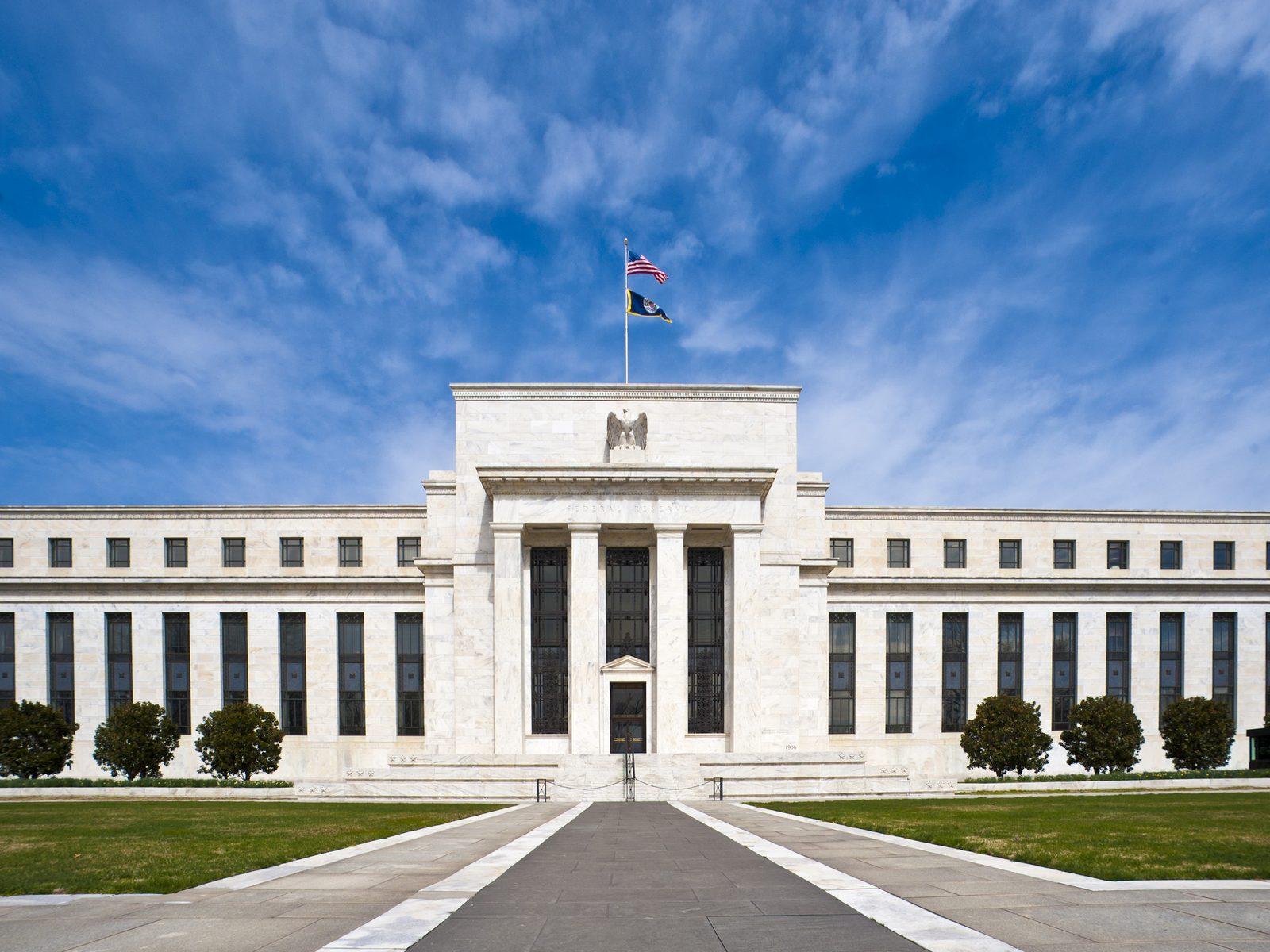
The Fed held its target range at 3.75% to 4% on 28 October, after raising it in September. The vote was 10 to 2: Lisa Cook and Beth Hammack "preferred to raise the target range... by 1/4 percentage point."[3]
Then the data came in hot. October CPI rose 0.4% on the month after 0.6% in September, and core prices rose 0.3%.[9] The Bureau of Labor Statistics did not publish an annual rate, because it collected no survey data for October 2025 during the government shutdown, so be wary of any year-on-year CPI figure you see quoted for this month.[9] Producer prices rose 6.5% on the year, the largest annual increase since November 2022.[4]
By Friday, CME FedWatch showed full odds of a rise at the 8–9 December meeting: about 87% for a quarter point and 13% for half a point, according to CNBC.[4] BofA's Aditya Bhave wrote that the Fed "no longer has the luxury of hiking at a quarterly pace."[10]
Day by day
Monday 16 November
- 13:30 (08:30 ET): Canada CPI for October. September's rate was 3.1%.[11]
- Empire State manufacturing survey (US), Japan's first estimate of Q3 GDP and euro area industrial production.[12]
- Fed speakers include John Williams.[8]
Tuesday 17 November
- 07:00: UK labour market data. Wages and unemployment feed straight into the Bank of England debate ahead of Wednesday's CPI.[8]
- 13:30 (08:30 ET): US retail sales for October. The Census Bureau's schedule confirms the date.[6] Forecasts differ: Wells Fargo expects a 0.2% rise, while the consensus quoted by XM is flat on the headline and up 0.4% excluding autos.[13][12] A strong number adds to the case for a December rise.
- US industrial production for October, also on Tuesday.[12]
- Earnings: Home Depot before the open; Nvidia after the close (results about 21:20 UK, call 22:00).[7][1]
Wednesday 18 November
- 07:00: UK CPI for October. The ONS release is confirmed for 07:00.[5] September's CPI rate was 3.5%, and CPIH 3.6%.[5] This is the main event for sterling this week.
- Euro area final CPI for October, and US housing starts, which Wells Fargo expects to rebound 4% to 1.27 million.[13]
- 19:00 (14:00 ET): FOMC minutes from the 27–28 October meeting. The Fed publishes minutes three weeks after each decision.[14] Look for how many officials wanted to raise rates in October, and whether "several" or "many" saw more rises ahead. Bear in mind the meeting came before the hot October CPI, so the minutes may already look dated.[8]
- Earnings: Lowe's, Target and TJX before the open; Palo Alto Networks after the close.[7]
Thursday 19 November
- 13:30 (08:30 ET): US weekly jobless claims. Last week's figure rose to 200,000 against 195,000 expected.[15] The Philadelphia Fed survey is out at the same time.[12]
- Fed speakers include Austan Goolsbee and Tom Barkin; ECB President Christine Lagarde also speaks.[8]
- Earnings: Walmart and Alibaba before the open; Intuit, Ross Stores and Gap after the close.[7]
Friday 20 November
- Early morning UK: Japan CPI for October. It matters for the yen, with USD/JPY near 160 and the Bank of Japan's December meeting in view.[12]
- 07:00: UK retail sales and public sector borrowing.[8]
- Final University of Michigan consumer sentiment for November.[8]
- Monthly US options expiry. November's falls on the third Friday, the 20th, which can add to price swings in single stocks late in the week.
The big one: Nvidia on Tuesday
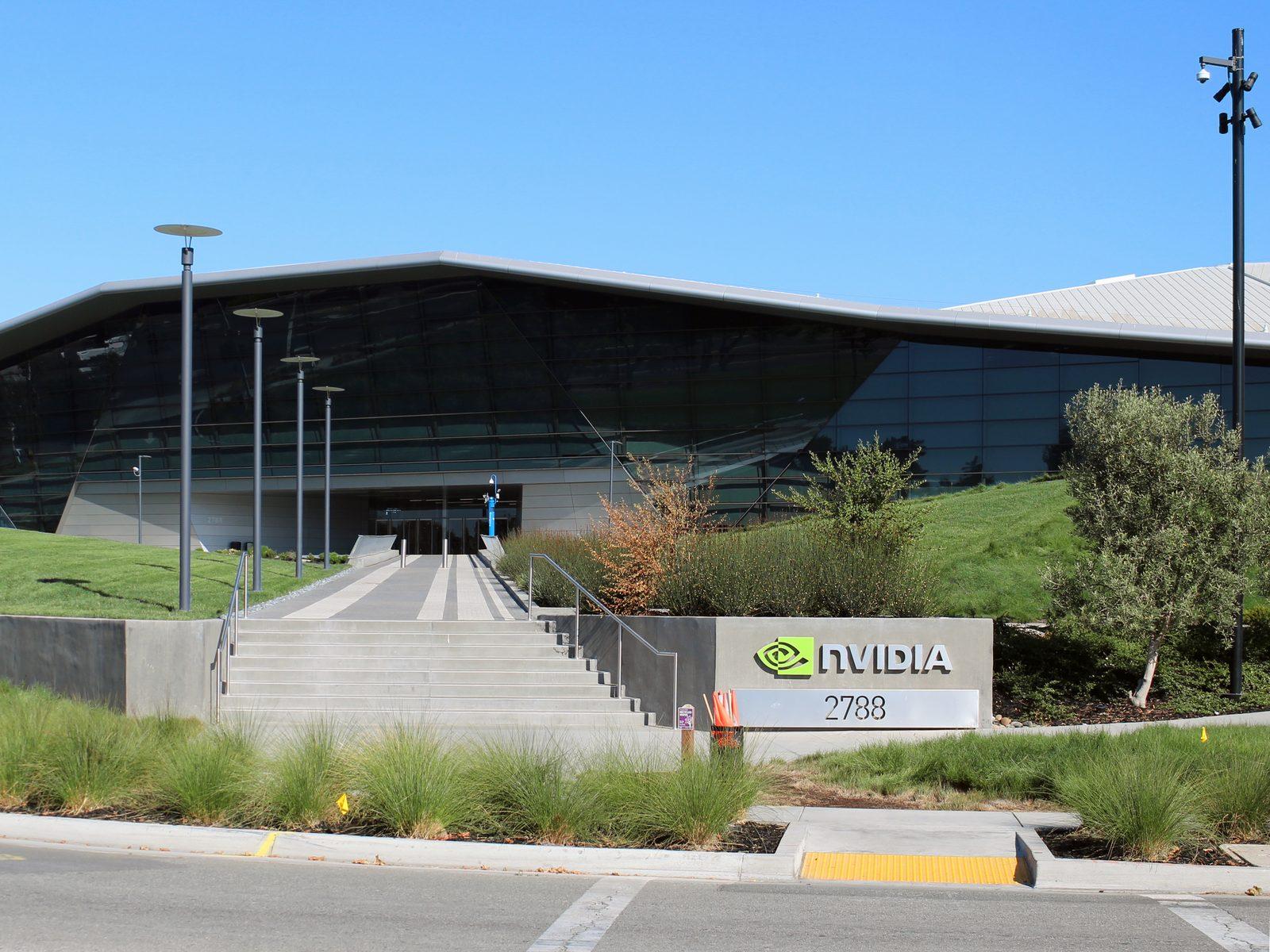
Nvidia confirmed in the release announcing Huang's resignation that it would report "as previously scheduled".[17] Results for the quarter to 25 October are due at about 1:20 p.m. Pacific time, with the call at 2 p.m. PT (22:00 UK).[1] Colette Kress, the chief financial officer and now interim CEO, will lead it.
In August Nvidia guided to revenue of "$108.0 billion, plus or minus 2%", with gross margins of 74%, and assumed no data-centre revenue from China.[2] Analysts expect about $109.2 billion in revenue and earnings of $2.47 a share, according to Yahoo Finance.[18]
The numbers may matter less than what Kress says about orders, China and the CEO search. We cover that in detail in our Nvidia earnings preview, and the background in our report on Huang's resignation.
Nvidia is one of the largest weights in the S&P 500 and the Nasdaq 100, so a big move after hours on Tuesday will show up in index futures, and in AI trading bots and stock bots that trade them, before Wednesday's open.
What it means for each market
Forex. The dollar has the wind behind it. A strong US retail sales number or hawkish minutes would extend that; a soft number gives the first real excuse to take profits. GBP/USD faces UK labour data on Tuesday and CPI on Wednesday, back to back. USD/JPY near 160 is where Japanese officials have stepped in before, so take extra care with yen pairs. Our forex signals rankings show which providers publish a verifiable record.
Gold. Gold is trading on real yields. Hawkish minutes or a strong retail sales figure would test the year's low near $3,850. See our gold report for the levels analysts are watching.
Crypto. Bitcoin has traded like a high-beta tech stock this month. A bad Nvidia night would probably hit it too, and it trades through the weekend when liquidity is thin. More in our bitcoin report.
Index and futures traders. Tuesday night is the risk event. If you trade a prop firm account, check whether your firm restricts holding positions through major news, and how its daily loss limit is measured. A gap through your stop can end a challenge.
Before you trade the week
- Size for the event, not the average day. Use a position size calculator with a wider stop than usual around Tuesday night and Wednesday's minutes.
- A stop is not a guaranteed exit. In a gap, your order fills at the next available price. Read our glossary entry on slippage.
- Spreads widen at release times. On UK CPI at 07:00 and US data at 13:30, the spread on GBP pairs and gold can be several times normal for a few seconds.
- Be wary of "guaranteed" calls. Weeks like this bring a wave of Telegram channels selling Nvidia and gold "sure things". Check a provider's track record first, using our Telegram signals guide.
Also worth knowing
- Thanksgiving falls on Thursday 26 November, so US markets are shut that day and liquidity thins out from late next week.
- Fed meeting: the next decision is on 9 December, with new projections.[3]
- APEC: President Trump is due in Shenzhen from 18 November, according to XM's preview. Anything said there about chip exports could move Nvidia.[12]
We will publish reports on the main events as they happen. Follow the latest on our news page.